Alysa Script: Elegant Handwritten Fonts for Digital Branding
I was staring at a blank hero section on a client’s boutique skincare site, trying to bridge the gap between clinical minimalism and warm, human connection. The sans-serif body copy was clean, but the headline felt sterile. It needed soul. That’s when I pulled up Alysa Script, a font that immediately caught my eye with its super flirtatious baseline and elegant curves. Testing it in the browser wasn’t just about seeing if it looked pretty; it was about verifying if it could carry the weight of a brand identity while maintaining the legibility required for modern web users.
Choosing the right typeface is often the difference between a website that feels like a template and one that feels like a curated experience. When you are building a digital presence, every pixel counts. In this case, I needed a script that didn’t scream for attention but whispered confidence. Alysa Script delivered exactly that—a hand-lettered touch that feels personal yet polished. Below, I’m breaking down how I integrated this elegant script font into a real-world layout, what I learned about its performance on screens, and why it might be the missing piece in your own design toolkit.
Alysa Script for Wedding Invitations and Elegant Branding
When designers think of Alysa Script, they often picture paper goods first, but its potential extends far beyond print. The description highlights its perfection for branding, logos, greeting cards, and weddings, which makes sense given its refined aesthetic. However, translating that elegance to a digital interface requires careful consideration of spacing and contrast. In my project, I used the font for the main logo lockup on the homepage header. Because it is a Script Handwritten style, it naturally draws the eye, acting as a visual anchor without needing heavy graphic elements.
The key to using such an expressive typeface successfully lies in restraint. Alysa Script has a distinct personality—flirtatious, yes, but also sophisticated. I found that when paired with ample white space, it allowed the brand to breathe. For wedding-related businesses or luxury boutiques, this font communicates high value instantly. It suggests that the care put into the typography matches the care put into the product or service. By placing it prominently in the navigation area, we established a tone of exclusivity before the user even scrolled down the page.
Using Alysa Script for Logos and Header Text
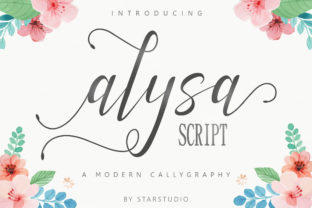
One of the most common questions I get from clients is whether a script font can work as a primary logo element. With Alysa Script, the answer is a confident yes, provided you respect its structure. The font’s elegant nature means it shouldn’t be overcrowded with other decorative elements. In our case study, we kept the background minimalist, allowing the dark, flowing lines of the text to stand out against a soft cream backdrop. This approach ensures that the font remains the star of the show.
For headers, Alysa Script works beautifully as a display font. It breaks the monotony of standard blocky headings. However, readability is paramount. I avoided using it for long paragraphs or subheaders where quick scanning is necessary. Instead, I reserved it for short phrases—brand names, taglines, or section titles that need a touch of flair. This strategic placement enhances the visual hierarchy, guiding the user’s eye to the most important information while keeping the overall layout balanced and professional.
Alysa Script for Greeting Cards and Digital Campaigns
Beyond static branding, Alysa Script shines in dynamic digital campaigns. Whether you are designing email newsletters, social media graphics, or promotional landing pages, the hand-lettered feel adds a layer of authenticity that stock photography often lacks. In my workflow, I frequently use this font for call-to-action buttons or special offer banners where a personal touch can increase engagement. The “super flirtatious” quality mentioned in its description translates well to marketing copy that aims to be inviting rather than pushy.
When creating digital assets, consistency is key. I ensured that the font usage aligned with the rest of the brand kit. For instance, on a course sales page, I used Alysa Script for the main benefit statements. This helped create an emotional connection with the visitor, making the content feel more like a conversation than a lecture. The font’s elegance prevents the message from feeling cheap or overly salesy, which is crucial for maintaining trust with your audience. By integrating these fonts into various touchpoints, from web to mobile, we created a cohesive brand story that resonated across platforms.
Readability Challenges on Mobile Devices
While Alysa Script is stunning, it presents specific challenges on smaller screens. During my testing phase, I noticed that at very small sizes (below 16px), the intricate details of the script could become muddy, especially on lower-resolution displays. To combat this, I adjusted the letter-spacing slightly and increased the line height to ensure the characters didn’t bleed into each other. This is a critical step for any designer working with Script Handwritten fonts.
I also experimented with background colors. On dark backgrounds, the font performed exceptionally well due to its high contrast, but on busy image overlays, I had to add a subtle shadow or overlay to maintain legibility. These adjustments are not just cosmetic; they directly impact user experience. If a visitor has to squint to read your headline, they are likely to leave. By optimizing Alysa Script for mobile responsiveness, we ensured that the elegance of the design was preserved without sacrificing accessibility.
Pairing Alysa Script with Modern Typography
No font exists in isolation. The success of Alysa Script largely depends on how well it pairs with supporting typefaces. In web design, the golden rule is balance: pair a decorative, complex font with a simple, neutral one. For this project, I chose a clean, geometric sans-serif for the body copy and secondary headings. This combination allows Alysa Script to take center stage while ensuring that the informational content remains easy to read.
This pairing strategy is essential for creating a modern typography system. The contrast between the organic, flowing lines of the script and the structured, rigid lines of the sans-serif creates visual interest without causing cognitive overload. It guides the reader through the content logically. For example, in a blog redesign, I used Alysa Script for the article title and the sans-serif for the excerpt text. This clear distinction helps users scan the page quickly, identifying what is important versus what is supplementary. Such thoughtful font pairing elevates the entire design, making it look professionally crafted rather than assembled.
Technical Considerations for Web Implementation
Before implementing any new typeface, it is vital to check the technical specifications. With Alysa Script, I verified the available weights, file formats, and multilingual support. Not all script fonts include extensive character sets, so confirming that it supports the necessary accents and symbols for your target audience is crucial. Additionally, I checked the licensing terms to ensure it covered commercial web use, which is a common pitfall for designers.
Optimizing the font files for web delivery is another important step. Using modern webfont formats like WOFF2 can significantly improve load times, ensuring that the beautiful typography doesn’t slow down the user experience. I also tested the font rendering across different browsers to ensure consistency. Small discrepancies in how scripts are rendered can affect the overall look, so thorough testing pays off. By addressing these technical details upfront, I was able to deploy Alysa Script with confidence, knowing it would perform reliably for all users.
Why Alysa Script Elevates Your Digital Presence
In a crowded digital landscape, standing out requires more than just good content; it requires a distinctive visual voice. Alysa Script offers that voice with its elegant, hand-lettered charm. Whether you are launching a new brand, redesigning your website, or creating engaging social media content, this font provides the sophistication needed to make a lasting impression. Its versatility allows it to adapt to various contexts, from intimate wedding invitations to bold online store banners.
Ultimately, choosing the right fonts is an investment in your brand’s perceived value. Alysa Script brings a level of polish and attention to detail that signals professionalism and care. It invites users to linger, to read, and to connect. By integrating this font thoughtfully into your design process, you are not just adding decoration; you are crafting an experience that feels human, authentic, and undeniably stylish. For any designer looking to add a touch of elegance to their projects, Alysa Script is a powerful tool worth exploring.