Hellen: The Elegant Serif Typeface for Premium Brand Identity
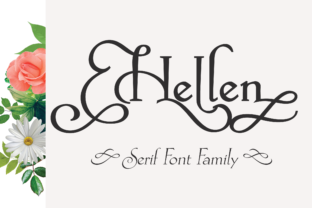
The Hellen is an elegant classic serif font based on the Koch Antiqua typeface, created in 1922 by the German designer Rudolf Koch. It s a delicate typeface with a low x-height, designed for decorativ purposes that elevate brand perception instantly. As a small business owner, I have learned that typography is not just about readability; it is about setting the mood of your entire brand before a customer even reads your headline. When you select a premium font like Hellen, you are choosing a visual voice that whispers quality, heritage, and sophistication. This guide explores how this specific Serif can transform your marketing materials, packaging, and digital presence into a cohesive, trustworthy experience.
Hellen for Boutique Logo Design and Visual Identity
When establishing a new brand, the first thing customers notice is your logo, and the choice of Fonts plays a pivotal role in defining your market position. Hellen’s delicate structure and low x-height give it a refined, upscale appearance that stands out against bold, modern sans-serif trends. For boutique owners or handmade product sellers, using Hellen as a primary display font signals that your products are crafted with care and attention to detail. Imagine a jewelry brand or a high-end skincare line where the logo needs to convey luxury without being ostentatious. The historical roots of Hellen, derived from Rudolf Koch’s work, add a layer of timeless authority that generic fonts often lack. By integrating this Serif into your core identity, you create a memorable anchor that customers associate with elegance and reliability.
Hellen for Packaging Design and Product Labels
Physical touchpoints are critical for small businesses, especially those selling tangible goods like candles, soaps, or gourmet foods. The Hellen is an elegant classic serif font based on the Koch Antiqua typeface, created in 1922 by the German designer Rudolf Koch. It s a delicate typeface with a low x-height, designed for decorativ applications that shine on physical surfaces. On product labels, space is often limited, yet the need for aesthetic appeal is high. Hellen’s distinct letterforms allow it to remain legible even at smaller sizes while maintaining its decorative charm. Consider a café owner designing coffee bags or a baker creating custom cookie boxes; using Hellen for the brand name adds a touch of artisanal flair. The contrast between the thick and thin strokes of the Serif creates visual interest that draws the eye, making your product stand out on crowded shelves or in social media unboxing videos.
Hellen for Wedding Invitations and Event Branding
If you operate in the service industry, particularly in events, weddings, or hospitality, the right typeface can set the tone for your client’s special moments. Hellen is naturally suited for formal stationery due to its classical proportions and graceful curves. Small business owners offering wedding planning services, florists, or venue managers can use Hellen for save-the-dates, menus, and table numbers. The font’s ability to convey tradition and romance makes it an ideal choice for creating emotional connections with clients. Unlike overly stylized script fonts that can be hard to read, Hellen offers a balance of beauty and clarity. This ensures that important details are communicated effectively while still feeling luxurious. Pairing Hellen with clean, minimal layouts allows the font to take center stage, resulting in sophisticated designs that guests will want to keep as keepsakes.
Hellen for Social Media Graphics and Digital Ads
In the digital realm, capturing attention quickly is essential. While Hellen is primarily a display font, it can be used strategically in social media graphics to break up monotony and add personality. Entrepreneurs often rely heavily on Instagram posts, Pinterest pins, and Facebook ads to drive traffic. Using Hellen for headlines or quotes within these images can inject a sense of editorial quality into your content. For instance, a life coach or consultant might use Hellen to highlight key takeaways in their carousel posts, lending an air of expertise and thought leadership. However, because it is a Serif with a low x-height, it should be used sparingly in body text on mobile screens where readability is paramount. Instead, let Hellen serve as the hero element in your banners, drawing users in with its classic appeal while supporting text handles the informational heavy lifting.
Effective Font Pairing Strategies with Hellen
No single font can do everything, and smart branding relies on harmonious combinations. Since Hellen is a decorative Serif, it pairs exceptionally well with simple, neutral Sans Serif fonts. This contrast creates a modern yet classic look that appeals to a broad audience. For example, pairing Hellen with a geometric sans serif like Helvetica or Montserrat works beautifully for website headers and navigation menus. The clean lines of the sans serif provide a stable foundation, allowing Hellen to shine in titles and accents. Similarly, combining Hellen with a lightweight italic serif can enhance the romantic or vintage vibe for blog posts or newsletter headers. Experimenting with these pairings helps you maintain consistency across all platforms, from your website to your email marketing templates, ensuring that your brand feels unified and professional.
Readability and Practical Usage Tips
While Hellen is visually stunning, practical application requires understanding its limitations. The delicate nature of the font means it may lose definition when printed at very small sizes or viewed on low-resolution screens. As a business owner, test your designs rigorously. Print out business cards and product labels to see how Hellen holds up in real-world conditions. If the fine details blur, consider increasing the point size or adjusting the tracking (letter spacing) slightly to improve legibility. Avoid using Hellen for long paragraphs of text; instead, reserve it for short phrases, headings, logos, and pull quotes. This strategic use ensures that your message remains clear and accessible to all customers, including those with visual impairments. By respecting the font’s design strengths, you enhance the user experience rather than hindering it.
Licensing and Commercial Use Considerations
Before deploying Hellen across your brand assets, it is crucial to address licensing. Fonts are intellectual property, and using them commercially without proper permission can lead to legal issues. Ensure you purchase a commercial license if you plan to use Hellen on products for sale, such as merchandise, packaging, or digital templates. Many font foundries offer different tiers of licenses depending on the scope of your project, whether it is for a single website or unlimited print runs. Investing in the correct license protects your business and supports the designers who create these valuable tools. Always review the end-user license agreement (EULA) to understand what is permitted, particularly regarding redistribution and modification. By handling licensing correctly, you demonstrate professionalism and integrity, values that resonate with discerning customers.
Conclusion
Selecting the right typography is one of the most impactful decisions a small business can make. Hellen offers a unique blend of historical elegance and modern versatility, making it a powerful asset for entrepreneurs looking to elevate their brand. Whether you are designing a logo, crafting product labels, or creating social media content, this Serif font helps communicate quality and trustworthiness. By using Hellen thoughtfully and pairing it with complementary typefaces, you can create a cohesive brand identity that stands out in a crowded marketplace. Take the time to test the font in various contexts, respect its limitations, and secure the necessary licenses. With Hellen, you are not just choosing a font; you are investing in a visual language that speaks directly to your target audience’s desire for beauty and substance.